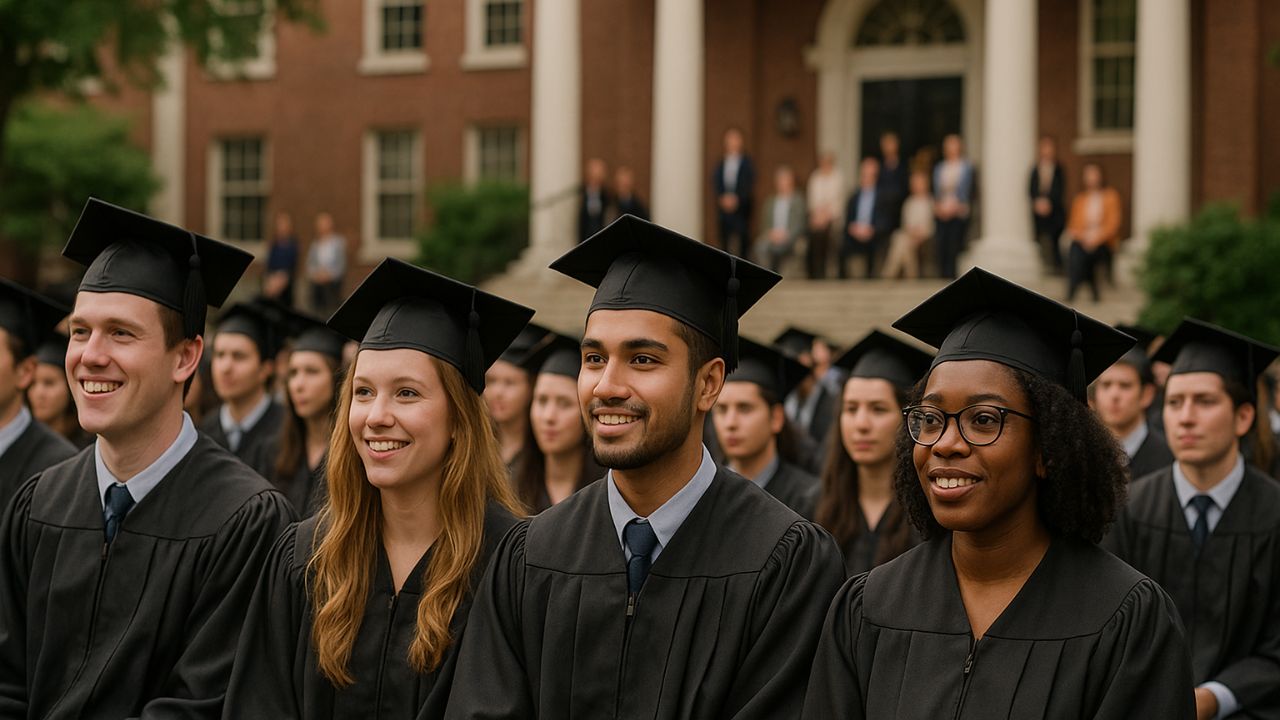
Role of Higher Education – Higher education plays a pivotal role in shaping not only individual careers but also the broader socio-economic and cultural fabric of a nation. At institutions like Hikamiyya College, students are provided with access to world-class learning resources, skilled faculty, and diverse academic programs that prepare them for global challenges. Beyond academics, the college emphasizes moral education, community engagement, and leadership development, ensuring that graduates emerge as responsible citizens ready to contribute to nation building. By combining modern teaching methodologies with value-based education, Hikamiyya College exemplifies how higher education institutions can create socially aware and skilled individuals who actively participate in fostering social harmony and national development.
Higher Education as a Catalyst for Economic Development
Investing in higher education translates directly into economic growth for a nation. Universities and colleges provide a steady stream of skilled professionals in sectors like technology, healthcare, engineering, and business, fueling innovation and entrepreneurship. Graduates from institutions such as Hikamiyya College often go on to launch startups, engage in research, and participate in industrial projects that drive economic progress. According to World Bank Education Overview, countries with strong higher education systems enjoy higher productivity, technological advancement, and greater employment opportunities. Furthermore, higher education encourages critical thinking, problem-solving, and analytical skills, which are essential for navigating the complexities of a modern economy. By equipping students with practical skills and theoretical knowledge, higher education acts as a catalyst for sustained national economic development.

Fostering Social Harmony Through Inclusive Education
Higher education institutions are not only centers of knowledge but also melting pots of cultural diversity. Campuses bring together students from various socio-economic, religious, and ethnic backgrounds, creating opportunities for interaction, dialogue, and mutual understanding. Hikamiyya College, for instance, organizes workshops, cultural festivals, and community service programs that encourage students to respect diversity and collaborate across differences. Research by UNESCO Education Programs highlights that inclusive educational environments promote tolerance, reduce social conflicts, and enhance civic engagement. By encouraging dialogue and inclusivity, higher education nurtures a sense of belonging and shared responsibility, laying the foundation for social harmony and a cohesive society.

Promoting Civic Responsibility and Leadership
One of the most significant contributions of higher education to nation building is the cultivation of civic responsibility and leadership skills. Students exposed to community service initiatives, leadership training, and ethical discussions develop a strong sense of duty toward their society. Hikamiyya College incorporates programs that emphasize volunteerism, governance awareness, and ethical decision-making, preparing graduates to become proactive leaders in their communities. According to OECD Education Insights, individuals who participate in higher education are more likely to engage in community service, vote in elections, and advocate for social justice. By nurturing a generation of socially responsible leaders, higher education strengthens democratic values and contributes to the long-term stability and prosperity of the nation.

Research, Innovation, and Nation Building
Research and innovation are at the heart of higher education’s contribution to national development. Universities serve as hubs for scientific inquiry, technological breakthroughs, and knowledge generation that address pressing national challenges. Hikamiyya College encourages students and faculty to engage in research projects spanning sustainable development, renewable energy, public health, and social sciences. Reports from Nature Innovation Collections indicate that research-driven higher education institutions significantly impact national policy-making, industrial growth, and societal well-being. By fostering an environment of inquiry and innovation, higher education not only equips students with technical expertise but also provides solutions that drive social progress and enhance the country’s global competitiveness.

In conclusion, higher education is a cornerstone of nation building and social harmony. Institutions like Hikamiyya College exemplify how a balanced approach to academics, ethics, and community engagement produces graduates who are not only professionally competent but also socially conscious. By investing in inclusive education, promoting research and innovation, and nurturing civic-minded leaders, higher education contributes directly to the economic, cultural, and social development of a nation. It is through this holistic approach that nations can achieve sustainable growth, unity, and a harmonious society prepared to meet future challenges.