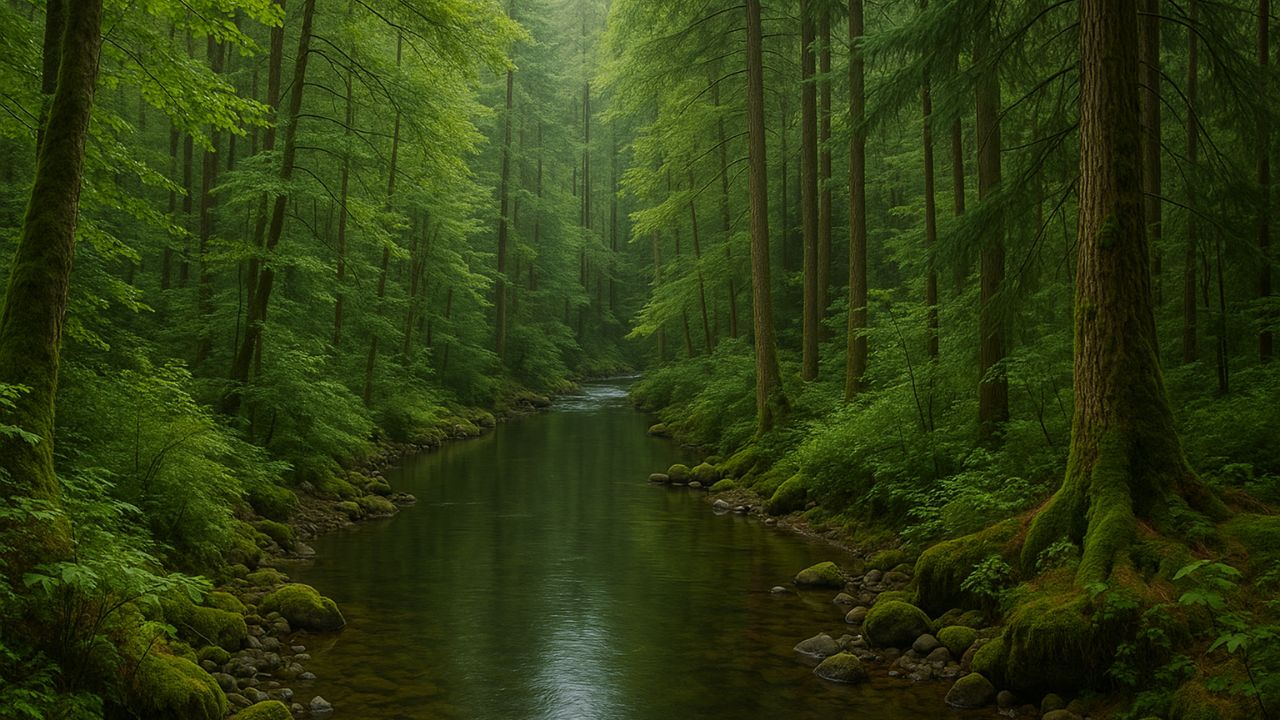
Forests and Water – Forests play a crucial role in maintaining the health of our planet, influencing everything from climate stability to biodiversity conservation. At the forefront of this environmental stewardship is UFDP, an organization dedicated to forest monitoring, research, and sustainable management. Through decades of studies and fieldwork, UFDP emphasizes how forests are not just collections of trees but vital components of the Earth’s water cycle. Forest ecosystems act as natural sponges, absorbing rainfall, reducing surface runoff, and ensuring groundwater recharge. The dense canopy and root systems of forests help prevent soil erosion, maintain river flows, and regulate the local and regional climate. Without healthy forests, water systems become erratic, leading to droughts, floods, and diminished water quality for human consumption, agriculture, and wildlife habitats.
The Role of Forests in the Water Cycle
Forests have a direct and multifaceted impact on the water cycle. Trees absorb water through their roots and release it into the atmosphere via a process called transpiration. This moisture contributes to cloud formation and subsequent rainfall, creating a feedback loop that sustains both the forest and surrounding areas. Additionally, forests reduce the velocity of surface runoff, allowing water to seep into the soil and replenish aquifers. In tropical rainforests, where rainfall is abundant, this process is particularly crucial, maintaining rivers that support millions of people and countless species. Studies by organizations like the Food and Agriculture Organization (FAO) confirm that deforestation disrupts these natural processes, often resulting in reduced rainfall and higher incidences of drought in affected regions. The intricate balance between forests and water highlights the hidden connection that is essential for sustaining life on Earth.

Deforestation and Its Impact on Water Resources
The loss of forests through deforestation has profound consequences for water resources. When trees are removed, the soil loses its structural integrity, increasing erosion and sedimentation in rivers and lakes. This leads to water pollution and affects aquatic ecosystems. Moreover, deforested areas often experience irregular rainfall patterns, reduced groundwater recharge, and higher surface runoff, causing frequent floods. Regions such as the Amazon Basin and parts of Southeast Asia have witnessed these effects firsthand. According to the United Nations Environment Programme (UNEP), deforestation not only accelerates climate change but also compromises the availability of clean and reliable water for communities dependent on forested watersheds. Therefore, sustainable forest management is not just about preserving biodiversity—it is about securing water resources for present and future generations.

Forests and Soil Moisture Retention
Soil moisture is another critical aspect of the forests-water relationship. Forests enhance the soil’s ability to retain water, reducing the likelihood of drought and maintaining a steady supply of water to rivers and streams. The leaf litter and organic matter found in forest floors improve soil structure, allowing it to absorb and hold water efficiently. This stored water supports plant growth, regulates temperatures, and sustains local wildlife. Moreover, soil moisture in forests contributes to evapotranspiration, which maintains atmospheric humidity and indirectly supports regional rainfall. Scientists and environmentalists stress that even partial deforestation can disrupt these processes, emphasizing the importance of forest restoration and afforestation initiatives to maintain ecological balance.

Global and Local Benefits of Forest-Water Conservation
Protecting forests is critical for both local communities and the global environment. Locally, forested watersheds provide clean drinking water, support agriculture, and reduce the risk of natural disasters. Globally, forests contribute to climate regulation, carbon sequestration, and biodiversity conservation, all of which are interconnected with water security. Organizations like UFDP work on monitoring forest health, promoting sustainable management practices, and raising awareness about the importance of forests in maintaining water systems. Initiatives such as reforestation, controlled logging, and the protection of critical watersheds have shown positive impacts on water availability and quality in numerous regions worldwide. By integrating community involvement and scientific research, these efforts highlight how the hidden connection between forests and water sustains life in profound ways.

In conclusion, the relationship between forests and water is indispensable for ecological stability and human well-being. Healthy forests regulate rainfall, protect soil, sustain rivers, and ensure clean water availability. Deforestation and forest degradation disrupt these processes, threatening both ecosystems and communities. Supporting organizations like UFDP and advocating for forest conservation are essential steps to safeguard this hidden connection. Recognizing the value of forests in sustaining water resources is not just an environmental concern—it is a necessity for life itself, ensuring that future generations inherit a planet capable of supporting abundant and clean water for all living beings.